
If your 2026 AI roadmap still says “launch a chatbot,” you’re behind.
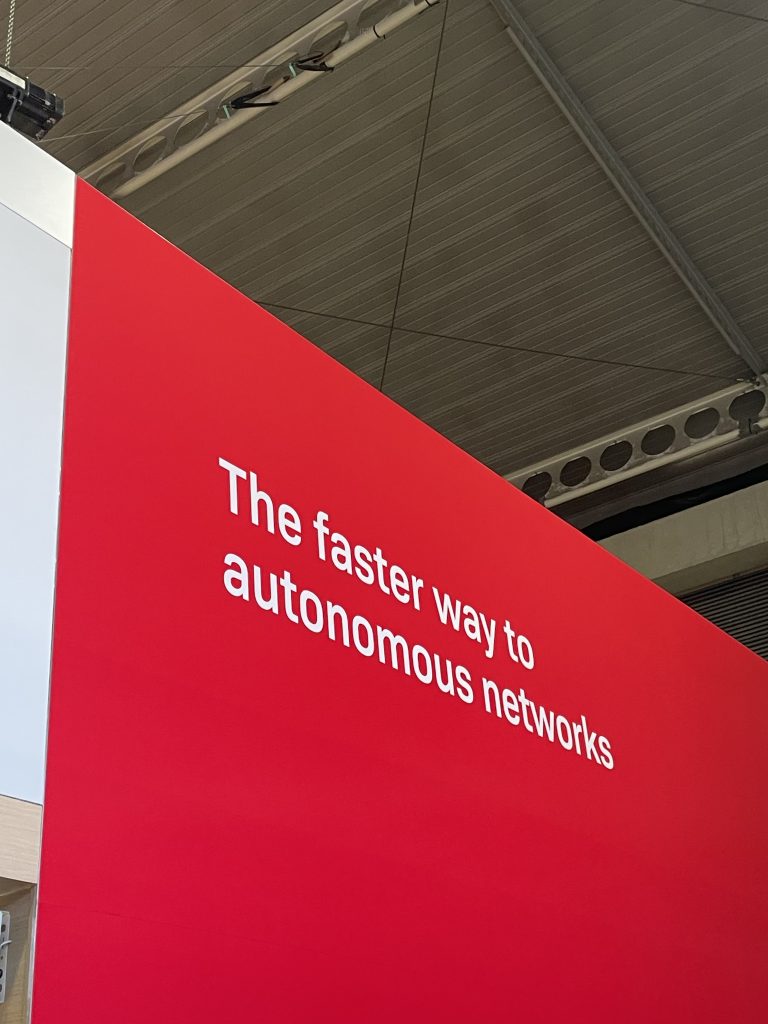
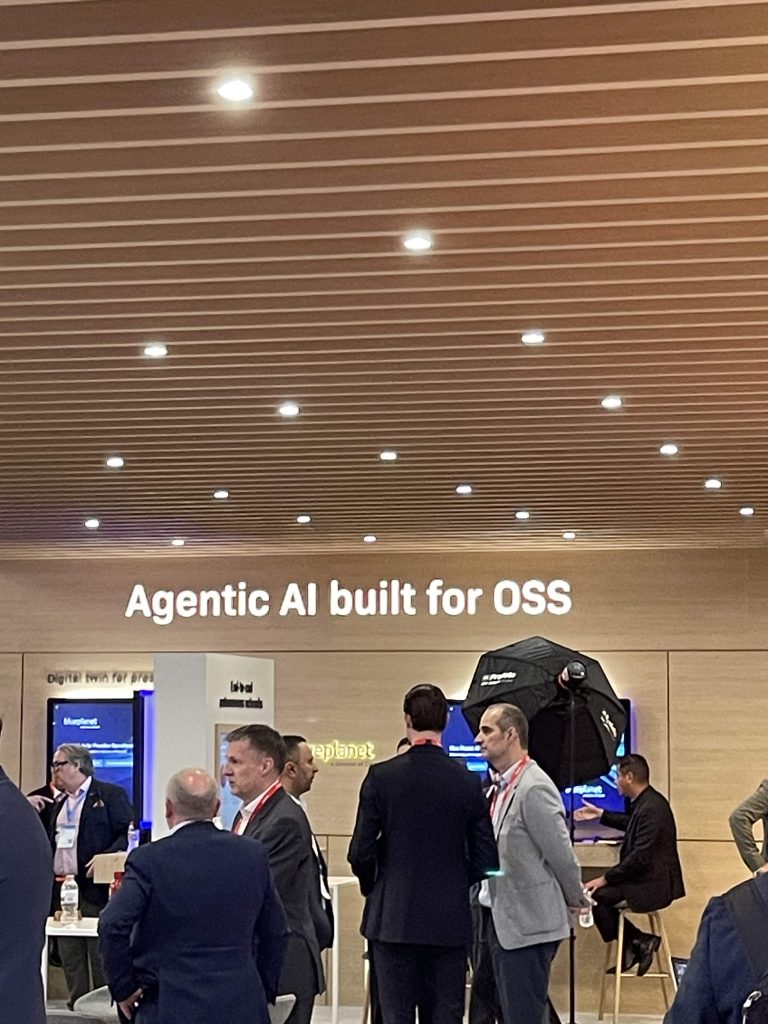
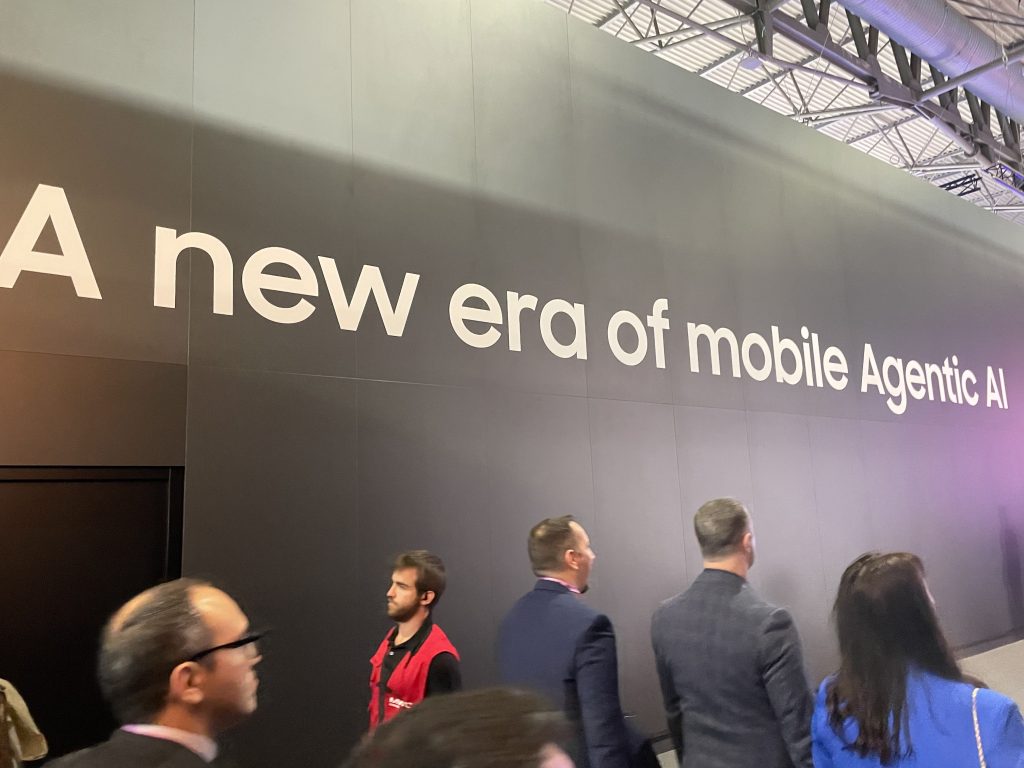
We spent four days at MWC Barcelona and basically nobody serious was talking about chatbots. The big booths were all “agentic.” The smaller, scrappier teams were trying to sound agentic too.
And yes, a lot of it is show-floor theater. Great lighting, clean UIs, confident claims. I’m not pretending we verified what’s running in production. Some of it probably is. Some of it definitely isn’t.
Before we go any further, let’s define the word everyone kept throwing around.
What I mean by “workflow”
A workflow is a repeatable process that ends in a result. It has inputs, steps, handoffs, tools, and a clear “done.”
Not a feature. Not a demo. Not a chat window.Examples:
– Fintech: “Underwrite a loan application”
– Healthtech: “Triage patient intake”
– Edtech: “Turn a learner’s activity into a weekly plan”
This matters if you’re a mature product team: you’ve got customers, you’ve got a roadmap, you’ve got an R&D function… and you don’t have room for “AI vibes” as a strategy.
One thing that surprised me: enterprise adoption doesn’t feel “years behind” anymore. It feels like months. Whatever you think about that, it changes the game for everyone else.
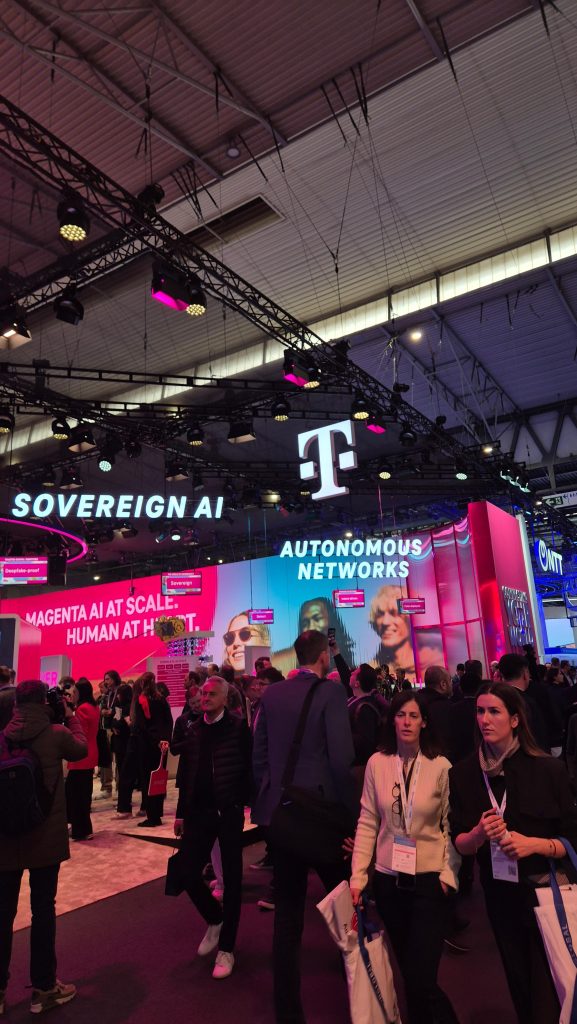
MWC makes the speed obvious. You’re one person in a crowd of ~100,000. Eight venues. Thousands of booths. You can go from Google and Microsoft to a two-person startup in the same hallway.
We were a bit disoriented at first. Then a few conversations warmed things up and we got into a rhythm: stop wandering, start filtering. You don’t “explore” MWC. You use it like a high-density signal machine. We still had pre-booked meetings, but the floor is where you see what the market thinks is true.
After enough conversations the pattern got clear: the advantage isn’t picking the right model. It’s getting agents to actually work inside real processes, with real constraints.
At Camplight, we plug into mature tech teams as an external validation squad. That means we help you turn “we should do agents” into measurable pilots you can learn from quickly. Not slides. Not slogans. Something you can ship, measure, and either scale or kill.
The uncomfortable part: everyone is selling “agentic.” Almost nobody is validating it.
By day two we started noticing something that honestly bugged me.
Yes, SMEs and mid-market teams are going agentic. But very few were clearly validating the autonomous workflows they were selling. They’d pitch “end-to-end automation” and then you ask the annoying questions and it gets vague fast:
- What’s the definition of “done”?
- What happens when the data is messy?
- Who approves what?
- Where’s the audit trail?
- What’s the rollback when it screws up?
So we started asking people, “what’s the best outcome from a conference like this?”
Most said: new business.
Blunt take: new business doesn’t come from standing in a crowded market and selling the same tomatoes as everyone else. Sure, you might get lucky and land a couple deals. But luck doesn’t scale. Repeatability scales.
At MWC, small and mid teams default to branding and badge scans. In AI, teams default to chatbots and demos. Both feel productive. Both can be a complete waste of time.
We found out that everyone’s pitching. Almost nobody’s innovating.
Treat everything like an innovation lab (or stop pretending)
A conference can be an innovation lab. So can a Product Hunt launch. So can a sales cycle. So can a “we’re thinking about AI” internal initiative.
But only if you behave like it.
Go in with one hypothesis about how you’ll de-risk your budget and product bets. Leave with 3-5 experiments. Every experiment needs:
- a hypothesis
- a measurable outcome
- an owner
- a milestone (4-8 weeks)
- a pilot candidate (partner/customer)
This is less about “better tactics” and more about a mindset shift: marketing, sales, and product should all be pushing toward high-density learning. Not high-visibility posting.
So how do you “go agentic” without wasting a quarter?
Start with a workflow. Not “a chatbot.”
Here’s a simple approach that doesn’t require a religion about tools:
1) Pick one workflow (narrow, one team, one measurable output)
Fintech ideas: underwriting, fraud triage, KYB/KYC checks
Healthtech ideas: intake triage, prior-auth packet readiness, coding pre-check (with approvals)
Edtech ideas: assessment flow, tutoring follow-ups, weekly study plan generation
2) Map the workflow (steps, systems, data, handoffs, failure modes)
If you can’t draw it, you can’t automate it.
3) Decide what the agent “owns” (definition of done)
Ownership means it finishes the task, not that it can talk about it.
4) Put guardrails in place (approvals, escalation, rollback, audit)
Real businesses need control. Especially in fintech and health.
5) Prototype fast (thin slice only)
One path through the workflow. One output.
6) Pilot with a real team and measure the boring metrics
Cycle time. Error rate. Escalations. Cost per case. Compliance incidents. Drop-off. Whatever actually matters.
MWC was genuinely fun. Worth attending. But it’s expensive to show up with marketing behavior and expect innovation outcomes.
If any of this sounds like you:
- you have customers and a roadmap, but need to validate new bets fast
- you can’t pause the business to “go do AI”
- you want measurable pilots, not demos
- you suspect “chatbot” is the wrong shape of product work
We’re turning our MWC field notes into a blunt, validation-first series: workflows, pilots, experiments, and what survives contact with reality.
Subscribe to the Camplight newsletter to get the next one.